 By Patricia Jones
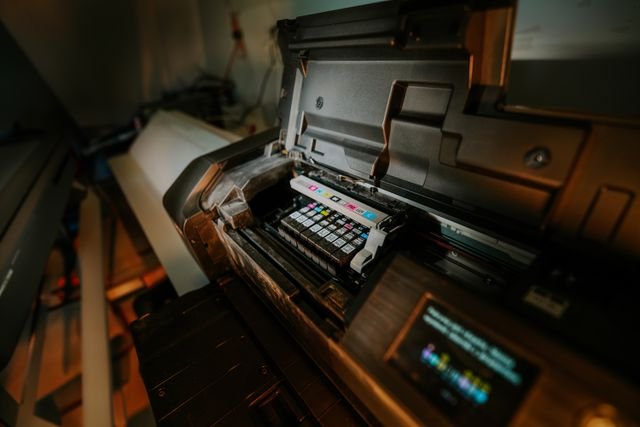
 HP has faced several consumer lawsuits over printer ink and toner cartridges. Most of these cases concern firmware updates, HP’s “Dynamic Security” technology, the blocking of some third-party cartridges and printer functions that allegedly stop working when ink levels are low.
These lawsuits are not one nationwide case covering every HP printer owner. Different cases involve different printer models, update periods, legal claims and forms of relief. HP has denied wrongdoing in the major cases and has argued that its security features protect printer performance and prevent cartridges using unauthorized or copied security chips.
Why Have Consumers Sued HP?
The main complaint is that some HP printers accepted non-HP cartridges when purchased but later rejected them after receiving a firmware update.
Consumers have alleged that they:
- Purchased less expensive third-party cartridges that later became unusable
- Were required to buy HP-branded ink or toner to continue printing
- Did not receive adequate notice before a firmware update was installed
- Received error messages that did not clearly explain why a cartridge was rejected
- Paid more for HP cartridges because competing products were blocked
- Lost access to scanning or faxing functions when the printer was low on ink
HP has maintained that Dynamic Security is designed to authenticate cartridges and block cartridges that use non-HP or modified security chips. HP has also argued in some cases that disclosures informed customers that cartridges using non-HP chips might not work or might stop working in the future.
The Earlier $1.5 Million HP Ink Settlement
One important case was In re HP Printer Firmware Update Litigation, also associated with San Miguel v. HP Inc.
The plaintiffs alleged that HP transmitted a firmware update that prevented certain OfficeJet printers from accepting some non-HP replacement ink cartridges. They also alleged that printer messages incorrectly suggested that the cartridges were damaged or missing when the firmware update was the actual reason they stopped working.
HP agreed to a settlement that created a $1.5 million fund and agreed not to reactivate Dynamic Security on the specific printers covered by the settlement. The covered models included several HP OfficeJet and OfficeJet Pro printers owned during the period from March 1, 2015, through December 31, 2017.
This was a limited settlement. It did not cover every HP printer, every firmware update or every person who later experienced cartridge-blocking problems. The deadline for claims under that settlement has passed.
Mobile Emergency Housing v. HP
A later class action, Mobile Emergency Housing Corp. v. HP Inc., concerned Dynamic Security updates installed on certain HP LaserJet printers in 2020.
The plaintiffs alleged that some printers stopped working with third-party toner cartridges and displayed a “Supply Problem” message. The case also included claims concerning information HP allegedly collected from printers.
The parties reached a settlement in 2024, and the court granted final approval on March 18, 2025. The settlement covered 21 identified HP LaserJet models and required HP to continue making certain disclosures about Dynamic Security and printer-data collection. HP also agreed to continue allowing affected users to accept or decline firmware updates containing Dynamic Security.
The settlement did not create cash payments for ordinary class members. It concerned injunctive relief, meaning changes or continuing requirements involving HP’s disclosures and update procedures. The court separately approved $725,000 in attorneys’ fees and expenses and $5,000 service awards for each of the three class representatives.
Robinson v. HP: The Current Antitrust Lawsuit
Another proposed class action, Robinson v. HP Inc., was filed in Illinois federal court in January 2024.
The plaintiffs alleged that firmware updates distributed in 2022 and 2023 blocked some non-HP replacement ink cartridges. They claimed that this conduct forced customers to purchase more expensive HP-branded cartridges and created an unlawful monopoly in replacement ink for certain HP printers.
The lawsuit included federal antitrust claims, a Computer Fraud and Abuse Act claim, state consumer-protection claims and unjust-enrichment allegations.
On September 30, 2025, the court dismissed the complaint without prejudice. The judge found that the plaintiffs had not adequately shown an illegal arrangement tying the purchase of HP printers to the later purchase of HP ink. However, the plaintiffs were permitted to file an amended complaint.
The plaintiffs amended their case. HP renewed its request for dismissal in January 2026, arguing that the revised allegations still did not establish a valid antitrust claim. In June 2026, the consumers responded that their new allegations about cartridge restrictions and disclosures on printer packaging were sufficient for the lawsuit to proceed. As of July 31, 2026, the cited public reports did not show a final ruling on that renewed dismissal request.
This case has not produced an approved consumer settlement. People should be cautious of websites suggesting that every HP printer owner is already entitled to compensation from this lawsuit.
Lawsuit Over Scanning Without Ink
HP has also faced a lawsuit involving functions that do not directly use ink.
In Freund v. HP Inc., consumers alleged that certain HP all-in-one printers would not scan or fax when an ink cartridge was low, empty or missing. They argued that HP did not adequately disclose this limitation, even though scanning and faxing do not ordinarily require ink to place an image on paper.
In August 2023, a federal judge allowed significant parts of the consumer-deception case to proceed. The court found that the plaintiffs had adequately alleged that HP knew about the issue and may have had a duty to disclose it.
That ruling did not establish that HP was liable. It only meant that certain allegations were sufficient to continue beyond the dismissal stage. The cited publicly accessible docket information does not provide a reliable final resolution of the case after that ruling.
Some HP Printer Cases Have Been Dismissed
Not every lawsuit concerning non-HP cartridges has succeeded.
In Parziale v. HP Inc., a consumer alleged that a firmware update made various HP printers incompatible with third-party cartridges. The court dismissed the amended complaint in September 2020.
A significant issue was HP’s disclosure that cartridges using non-HP chips might not work and that cartridges working at the time of purchase might stop working later. The court concluded that these warnings weakened claims that the firmware’s effect was unauthorized or inadequately disclosed.
The different results in these cases show why the exact warning, printer model, error message and timing of the update matter.
What Would a Consumer Usually Need to Prove?
A person does not automatically have a lawsuit merely because a third-party cartridge stopped working.
A potentially stronger claim may require evidence showing:
- The exact HP printer model
- When and where the printer was purchased
- Which non-HP cartridge was being used
- Whether the cartridge worked before an update
- The date of the firmware update
- The error message displayed by the printer
- What warnings appeared on the printer box or product page
- Whether automatic updates were enabled
- The cost of the unusable cartridge
- The cost of replacement HP ink
- Whether the printer resumed working with an HP cartridge
- Communications with HP customer support
Receipts, screenshots, photographs, firmware records, cartridge packaging and customer-service emails may help establish what happened.
Can HP Legally Block Third-Party Ink?
There is no simple rule stating that a printer manufacturer must make every third-party cartridge compatible forever.
However, legal questions may arise when a company allegedly changes a product after purchase, fails to disclose an important restriction, displays a misleading error message or uses its control over software to harm competition.
HP’s position is that Dynamic Security protects the printing system and blocks cartridges using non-HP or altered security chips. Consumer plaintiffs have argued that the technology reduces competition and forces customers to purchase more expensive HP supplies.
Whether the conduct is unlawful depends on the specific disclosures, representations, software changes, consumer expectations and laws applied in the case.
Is There a Current HP Printer-Ink Settlement?
There is no single current settlement paying every person who owns an HP printer.
The earlier $1.5 million firmware settlement involved specified OfficeJet models and an old claim period. The 2025 Mobile Emergency Housing settlement provided disclosure and firmware-update protections but no general cash payments to class members. The Robinson antitrust lawsuit was still being contested based on the latest cited developments available through July 31, 2026.
Consumers should verify any settlement through the official court notice or settlement administrator before submitting personal or financial information.