 By Patricia Jones
 Colgate-Palmolive is facing a proposed class-action lawsuit alleging that several Hello Kids toothpaste products contain undisclosed levels of lead, mercury and other heavy metals.
The plaintiffs claim the products were marketed as safe, carefully formulated and suitable for children while their packaging did not disclose the alleged contamination. Colgate disputes the claims and has asked the federal court to dismiss the case.
No court has ruled that Hello toothpaste is unsafe, and no settlement, consumer payout or official claim form has been announced.
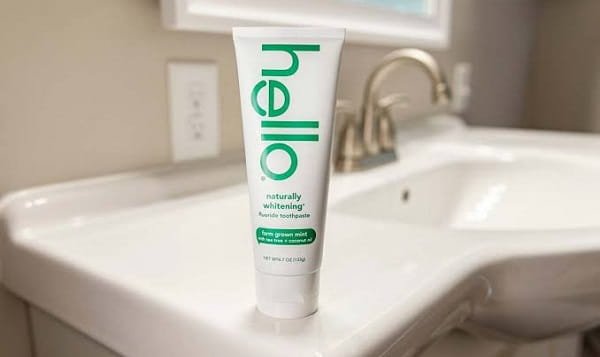
Which Hello Toothpaste Products Are Involved?
The litigation concerns several products sold under the Hello Kids brand. Products identified in the complaints include:
- Hello Kids Dragon Dazzle toothpaste
- Hello Kids Fresh Watermelon fluoride-free toothpaste
- Hello Kids Unicorn Sparkle toothpaste
- Hello Kids Smiling Shark toothpaste
- Hello Kids Magical Mermaid toothpaste
- Hello Kids Wild Strawberry toothpaste
Some complaints broadly challenge the Hello Kids toothpaste range rather than limiting their allegations to one flavour.
The lawsuits focus heavily on products promoted for young children through bright packaging, fruit or candy-like flavours and characters such as dragons, sharks, unicorns and mermaids.
What Did the Alleged Testing Find?
The original lawsuit cited independent testing that allegedly detected 428.4 parts per billion of lead in Hello Kids Dragon Dazzle toothpaste and 493 parts per billion in Fresh Watermelon fluoride-free toothpaste.
The same testing allegedly detected 11.8 parts per billion of mercury in Dragon Dazzle and 19 parts per billion in the Fresh Watermelon product.
A later case cited testing that reportedly detected lead concentrations ranging from 236 to 658 parts per billion across different Hello Kids varieties.
These figures are allegations based on testing cited by the plaintiffs. The court has not yet determined whether the testing methods were reliable, whether the tested samples represented products sold generally or whether the detected amounts created a legally recognised safety risk.
Why Are the EPA Limits Mentioned?
The complaints compare the testing results with Environmental Protection Agency standards for drinking water. The EPA’s action level for lead in drinking water is 15 parts per billion, while its maximum contaminant level for mercury is two parts per billion.
However, these are drinking-water standards. They are not federal limits specifically created for toothpaste.
The US Food and Drug Administration has not established a clear maximum lead level applying specifically to toothpaste. This distinction is important because saying that a toothpaste exceeded an EPA drinking-water limit does not automatically prove that the product violated an FDA toothpaste rule.
The plaintiffs nevertheless argue that toothpaste is used inside the mouth and may be swallowed, especially by younger children. They say parents would consider the alleged presence of heavy metals important when deciding whether to purchase the products.
What Do the Plaintiffs Claim Was Misleading?
Hello has used descriptions such as “friendly,” “thoughtfully formulated,” “safe for all ages,” “natural flavour” and “good-for-you.”
The lawsuits argue that these representations led parents to believe the products did not contain significant levels of potentially harmful contaminants.
The plaintiffs say they would not have purchased the toothpaste, or would have paid less, had the alleged heavy-metal content been disclosed.
Most of the named plaintiffs are claiming financial harm rather than alleging that their children developed a diagnosed illness from using Hello toothpaste. They seek damages, refunds, restitution and orders preventing allegedly misleading marketing.
How Did the Cases Become Consolidated?
The original case, Browne v. Hello Products LLC, was filed in July 2025 in the US District Court for the Southern District of New York.
Additional lawsuits were later filed by other consumers, including Nelkin v. Colgate-Palmolive Company and Barton v. Colgate-Palmolive Company.
The courts transferred and consolidated the related cases into the Browne action because they concerned similar products, testing and legal allegations. The consolidated case is being handled by US District Judge J. Paul Oetken.
Colgate acquired Hello Products in 2020 and is now named as the defendant and successor to the Hello business.
How Has Colgate Responded?
Colgate has not admitted that the products were unlawfully contaminated or misleadingly marketed.
The company filed a motion to dismiss on June 11, 2026. Colgate is challenging whether the consolidated complaint presents legally sufficient claims that may continue in federal court.
The judge has not yet ruled on that motion. Briefing was scheduled to continue through August 6, 2026.
A dismissal motion is decided before the evidence is fully tested. The judge may dismiss the case, allow some claims to continue or permit the plaintiffs to amend their complaint.
Has Hello Toothpaste Been Recalled?
No FDA recall has been announced for Hello Kids toothpaste because of the lead and mercury allegations.
The absence of a recall does not decide the lawsuit, but it means consumers should not describe the products as officially recalled or declared unsafe by federal regulators.
The heavy-metals case is also separate from earlier litigation concerning Hello charcoal toothpaste, “no artificial sweeteners” advertising and fluoride-product packaging.
Is There a Hello Toothpaste Settlement?
No settlement has been reached in the current heavy-metals litigation. There is no compensation fund, payment amount, claim deadline or approved class of consumers.
People who purchased Hello Kids toothpaste do not currently need to submit a claim. They may wish to retain receipts, online order records, packaging and product details in case the lawsuit later produces a settlement or class notice.
As of August 07, 2026, the consolidated case remains pending. The next major development will be the court’s decision on Colgate’s motion to dismiss.