 By Patricia Jones
 The Kash Patel lawsuit against The Atlantic has entered an important stage after the magazine asked a federal judge to dismiss the $250 million defamation case. FBI Director Kash Patel sued the publication and staff writer Sarah Fitzpatrick over an article alleging excessive drinking, unexplained absences and concerning conduct while he was leading the agency.
The case is titled Patel v. Atlantic Monthly Group LLC et al. and is pending in the U.S. District Court for the District of Columbia under case number 1:26-cv-01329. Senior U.S. District Judge Emmet G. Sullivan is handling the lawsuit. No court has determined that The Atlantic’s reporting was false or that the publication defamed Patel.
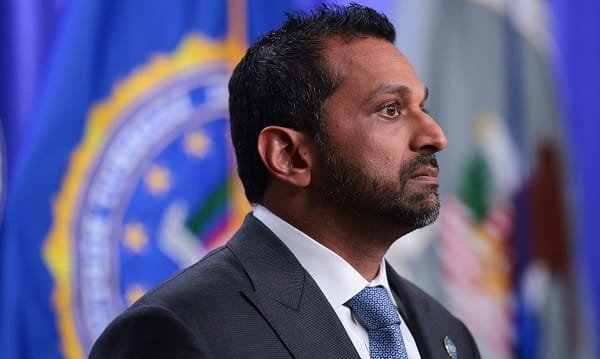
Why Did Kash Patel Sue The Atlantic?
Patel filed the complaint on April 20, 2026, three days after The Atlantic published an article by Fitzpatrick titled “The FBI Director Is MIA.”
The article reported allegations from current and former officials and other unnamed sources who claimed Patel had engaged in episodes of excessive drinking and was sometimes difficult to reach. It also described concerns about his attendance, behaviour and ability to carry out his responsibilities as FBI director.
Patel strongly denies those allegations. His complaint describes the article as a deliberately damaging publication containing false and fabricated statements intended to harm his reputation and remove him from office.
According to Patel, the FBI warned The Atlantic before publication that important allegations were untrue. He claims the magazine relied on anonymous sources who were politically motivated, lacked direct knowledge or had reasons to damage him.
What Statements Does Patel Challenge?
One disputed portion of the article concerned an April 10, 2026, incident involving Patel’s access to an internal government computer system. The article allegedly suggested that he believed he had been dismissed and reacted emotionally while attempting to determine whether he remained FBI director.
Patel says the event involved only a routine technical login problem that was quickly resolved. He denies believing that he had been fired or having the reaction described by the magazine.
The lawsuit also disputes statements that Patel was frequently away from FBI headquarters, difficult to contact or unavailable when important decisions were required. Patel maintains that he regularly worked from headquarters or travelled to FBI field offices as part of his official duties.
He further denies allegations involving excessive alcohol consumption and claims the reporting created a false impression that his behaviour was affecting national security and the FBI’s operations.
How Much Money Is Kash Patel Seeking?
Patel is asking for compensatory, special and punitive damages of at least $250 million. He also seeks the disgorgement of income that The Atlantic allegedly earned from publishing and distributing the article.
The requested amount is not a court award or an estimate of what Patel will necessarily receive. It represents the relief demanded in his complaint.
To succeed, Patel must prove that the challenged statements were false, defamatory and legally attributable to the defendants. Because he is a prominent public official, he must also satisfy the demanding “actual malice” standard.
Actual malice generally requires proof that a publisher knew a statement was false or acted with reckless disregard for whether it was true. A strong denial before publication does not automatically establish actual malice if the publication had other evidence supporting its reporting.
The Atlantic Files a Motion to Dismiss
On July 27, 2026, The Atlantic and Fitzpatrick filed a motion asking Judge Sullivan to dismiss the lawsuit with prejudice. A dismissal with prejudice would prevent Patel from bringing the same claim again through another amended complaint.
The defendants argue that the complaint does not plausibly establish actual malice. They maintain that using anonymous sources is common in investigative reporting, particularly when government employees fear professional retaliation for speaking publicly.
The magazine also argues that Patel’s disagreement with the article and his pre-publication denials do not prove that Fitzpatrick believed her reporting was false. The Atlantic continues to stand by the article and describes the lawsuit as an attempt to punish critical journalism.
Could the Lawsuit Lead to FBI Records Being Released?
The Atlantic has asked the court to pause broad discovery while the dismissal motion is considered. However, it says that if the case continues, Patel may need to produce internal FBI and Justice Department records supporting the factual claims made in his complaint.
Potential discovery could include documents concerning Patel’s work attendance, official travel, availability, communications and responses to particular incidents mentioned in the article. Witnesses with knowledge of his conduct could also be questioned under oath.
This creates a possible risk for Patel. By filing the lawsuit, he may have placed facts about his work schedule and behaviour directly at issue. The magazine argues that he cannot rely on internal government information to dispute the article while preventing the defendants from examining that evidence.
Current Status of the Kash Patel Lawsuit
The Kash Patel lawsuit remains pending. Judge Sullivan has not ruled on the motion to dismiss, and no trial, settlement or damages award has been announced.
Patel will have an opportunity to respond to the magazine’s arguments. The court must then decide whether his complaint contains enough factual allegations to allow the case to move into discovery.
The outcome will depend largely on whether Patel can plausibly show actual malice rather than simply establishing that he disputes or strongly denies the article. Until the court rules, both the article’s allegations and Patel’s defamation claims remain contested.