 By Patricia Jones
 The McDonald’s coffee lawsuit is one of the most famous—and most misunderstood—personal injury cases in American history. The case involved Stella Liebeck, a 79-year-old woman who suffered severe burns after spilling McDonald’s coffee on herself in Albuquerque, New Mexico, in 1992.
The lawsuit is officially known as Liebeck v. McDonald’s Restaurants. A jury ruled in Liebeck’s favour in August 1994 and initially awarded her $2.7 million in punitive damages. However, she did not ultimately receive that amount. The trial judge reduced the award, and the parties later reached a confidential settlement.
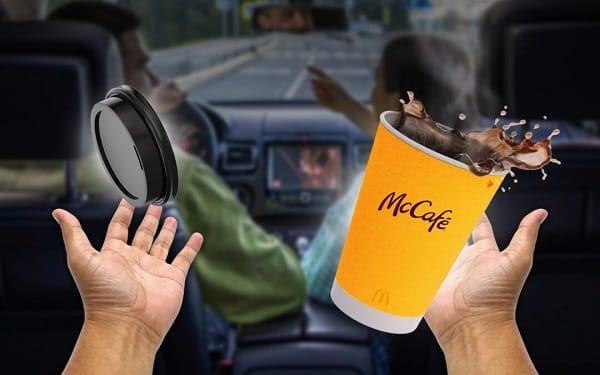
How Did the Coffee Spill Happen?
On February 27, 1992, Liebeck bought a cup of coffee from a McDonald’s drive-through while sitting in the passenger seat of her grandson’s parked vehicle.
Because the car did not have cup holders, she placed the cup between her knees while attempting to remove the lid and add cream and sugar. The cup tipped, spilling the coffee into her lap.
Her clothes absorbed the liquid and held it against her skin. Liebeck suffered third-degree burns to sensitive areas of her lower body. She spent eight days in hospital and underwent skin-grafting procedures. Her treatment and recovery continued long after she left hospital.
This was not a case involving a minor burn or temporary discomfort. Her injuries required extensive medical treatment and caused permanent scarring.
Why Did Stella Liebeck Sue McDonald’s?
Liebeck initially asked McDonald’s for approximately $20,000. The amount was intended to cover medical expenses, future treatment and other financial losses caused by the injury.
McDonald’s reportedly offered her $800. After the parties failed to reach an agreement, Liebeck hired a lawyer and filed a product-liability lawsuit.
Her legal team argued that McDonald’s coffee was served at a dangerously high temperature and that the warning printed on the cup did not adequately explain the risk of severe burns. McDonald’s maintained that customers expected coffee to be hot and that Liebeck was responsible for spilling it.
How Hot Was the McDonald’s Coffee?
Evidence presented during the trial indicated that McDonald’s required restaurants to hold coffee at approximately 180 to 190 degrees Fahrenheit, or about 82 to 88 degrees Celsius.
At temperatures near 190 degrees Fahrenheit, hot liquid can cause full-thickness burns within seconds. Liebeck’s lawyers argued that serving coffee at a lower temperature would give a person more time to remove wet clothing and reduce the severity of an accidental spill.
McDonald’s argued that the higher temperature helped preserve the coffee’s flavour and kept it hot for customers travelling away from the restaurant.
Previous Coffee-Burn Complaints
An important part of Liebeck’s case involved McDonald’s knowledge of earlier incidents.
Evidence indicated that McDonald’s had received more than 700 reports of customers being burned by its coffee between 1982 and 1992. The incidents differed in severity, and McDonald’s had paid money to resolve some previous claims.
Liebeck’s lawyers argued that these reports showed the company knew its coffee could cause serious injuries but had not sufficiently changed its serving practices or warnings. McDonald’s argued that the number of complaints was small compared with the enormous number of cups it sold.
What Did the Jury Decide?
The jury found McDonald’s 80% responsible for Liebeck’s injuries and Liebeck 20% responsible because she had placed the cup between her knees and spilled it.
It awarded $200,000 in compensatory damages. That amount was reduced by Liebeck’s 20% share of responsibility, leaving $160,000.
The jury also awarded $2.7 million in punitive damages. The figure was reportedly based on approximately two days of McDonald’s coffee revenue and was intended to punish the company for continuing its practices despite earlier burn complaints.
Did Stella Liebeck Receive $2.7 Million?
No. The frequently repeated claim that Liebeck simply spilled coffee and received $2.7 million is inaccurate.
The trial judge reduced the punitive damages from $2.7 million to $480,000. Combined with the reduced compensatory award, this would have produced a total award of approximately $640,000.
Both parties challenged aspects of the decision. Before the appeals were completed, McDonald’s and Liebeck reached a confidential settlement. The exact amount she received was never publicly confirmed.
Was the McDonald’s Coffee Lawsuit Frivolous?
The jury did not treat the lawsuit as frivolous. It heard evidence about Liebeck’s serious injuries, the coffee’s serving temperature, earlier customer complaints and McDonald’s warnings before finding both parties partly responsible.
The case became a symbol in debates about large lawsuits and punitive damages. Early reports often focused on the multimillion-dollar verdict without explaining the extent of Liebeck’s burns, the reduction of the award or the confidential settlement.
The McDonald’s coffee lawsuit remains important because it shows how product-liability cases examine more than whether a customer made a mistake. Courts and juries may also consider whether a product created an unreasonable danger, whether a company knew about that danger and whether its warnings were adequate.