 By Bob Paterson
Yes, hunting is legal in Illinois. Both residents and nonresidents may hunt game animals and birds when they follow the Illinois Wildlife Code and rules established by the Illinois Department of Natural Resources. Hunters generally need a valid hunting license, and certain species require additional permits or stamps. Hunting is also restricted by season, location, weapon type, bag limits, and other wildlife-management rules.
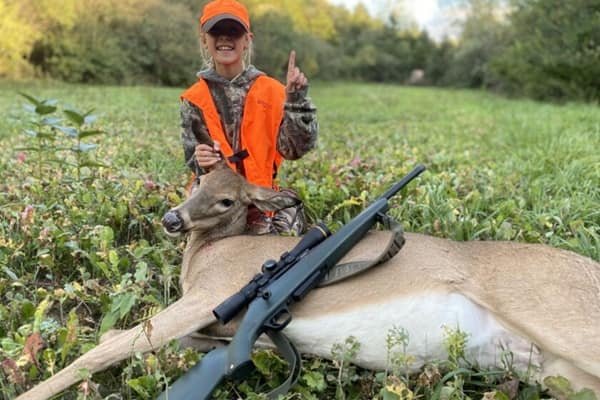
What Does Illinois Law Say About Hunting?
Hunting in Illinois is primarily regulated under the Illinois Wildlife Code, 520 ILCS 5.
Illinois law defines hunting broadly as possessing a weapon, or being accompanied by a dog or bird of prey, for the purpose of taking protected wildlife in an area where that wildlife may be found.
The state allows hunting of numerous species, including deer, turkey, waterfowl, pheasant, quail, rabbits, squirrels, coyotes, and certain furbearing animals. However, each species can have its own season, legal weapons, bag limits, and permit requirements.
Hunters cannot simply hunt any wild animal at any time. Protected wildlife may generally be taken only during an established open season and according to Illinois Department of Natural Resources rules.
Do You Need a Hunting License in Illinois?
Generally, yes.
Under Illinois law, a person normally must obtain and possess a valid hunting license before taking or attempting to take protected wildlife during an established hunting season, unless a specific exemption applies.
Additional requirements may depend on the type of hunting.
Hunters age 18 or older generally need an Illinois Habitat Stamp when hunting protected wildlife, although certain exceptions apply.
People hunting migratory waterfowl such as ducks and geese may need additional state and federal stamps or certifications.
Deer, turkey, and certain other species also require separate permits in addition to the regular hunting license.
Illinois offers special arrangements for young hunters and beginners, including youth licenses and apprentice hunting licenses.
Is Hunter Safety Training Required in Illinois?
For many hunters, yes.
People born on or after January 1, 1980 generally must complete approved hunter-safety education or meet another qualifying licensing requirement before obtaining a regular Illinois hunting license.
Hunter education covers topics such as firearm safety, responsible hunting, wildlife conservation, ammunition, field safety, bowhunting, and Illinois hunting regulations.
Illinois also has an Apprentice Hunter License Program that allows qualifying beginners to hunt before completing hunter education when properly supervised.
On private land, an apprentice hunter generally must be accompanied by an appropriately licensed adult who is at least 21 years old. Additional requirements may apply when hunting on public property.
Where Can You Legally Hunt in Illinois?
Illinois allows hunting on both public and private land.
Many properties managed by the Illinois Department of Natural Resources contain designated public hunting areas. Some locations may require special permits, reservations, site registration, or compliance with additional local hunting rules.
Hunting is also generally permitted on private property when the hunter has permission from the landowner or lawful tenant.
However, hunters cannot simply shoot from roads or other prohibited areas. Illinois restricts hunting and the discharge of firearms or bows from public roadways, highways, and rights-of-way.
Hunters must also comply with rules concerning nearby homes, occupied buildings, parks, and other restricted locations.
What Animals Can You Hunt in Illinois?
Illinois permits hunting of many game and furbearing species.
Common examples include:
- White-tailed deer
- Wild turkey
- Ducks and geese
- Pheasant
- Quail
- Rabbit
- Squirrel
- Coyote
- Raccoon
- Bobcat
The legal season differs by species and, in some cases, by county.
For example, Illinois deer hunting includes separate archery, firearm, muzzleloader, and other seasons. Some hunting opportunities require species-specific permits or participation in a lottery system.
Because hunting dates and regulations can change from year to year, hunters should check the current Illinois Department of Natural Resources hunting regulations before going into the field.
What Weapons Can Be Used for Hunting in Illinois?
Illinois allows several types of weapons for hunting, but the legal equipment depends on the animal and hunting season.
Depending on the season and species, permitted equipment may include:
- Shotguns
- Certain rifles
- Handguns
- Muzzleloaders
- Bows
- Crossbows
For deer hunting, Illinois permits qualifying single-shot centerfire rifles along with certain shotguns, handguns, muzzleloaders, and archery equipment.
The firearm, caliber, cartridge, ammunition, and other equipment must satisfy the rules for that particular hunting season.
For example, full-metal-jacket ammunition cannot be used to legally harvest deer.
The fact that someone may lawfully possess a particular firearm in Illinois does not automatically mean that firearm can be used for every type of hunting.
Can You Hunt on Private Property Without a License?
Owning land does not automatically eliminate all hunting-license requirements.
A landowner may qualify for certain exemptions or special permits under Illinois law, but the rules depend on the circumstances and the species being hunted.
A person hunting on someone else’s private property generally needs the owner’s permission in addition to the required licenses and permits.
Private land also does not remove restrictions involving seasons, bag limits, protected species, or legal hunting methods.
What Are the Penalties for Illegal Hunting in Illinois?
Penalties depend on the type of violation.
Many Illinois Wildlife Code violations can result in misdemeanor charges, while more serious violations may carry greater criminal penalties.
A hunter may also face:
- Fines
- Suspension or revocation of hunting privileges
- Loss of hunting licenses or permits
- Civil penalties based on the value of illegally taken wildlife
- Confiscation or forfeiture of equipment in certain cases
Illegal hunting involving protected animals, hunting outside an established season, exceeding bag limits, using prohibited equipment, or hunting without required permits can therefore result in substantial consequences.
Frequently Asked Questions
Q1. Can anyone hunt in Illinois?
Yes, residents and nonresidents may hunt in Illinois if they meet the applicable license, permit, age, season, and hunter-safety requirements.
Q2. Can you hunt on private property in Illinois?
Yes. Hunting is generally allowed on private land with the permission of the landowner or lawful tenant, but normal hunting laws concerning seasons, licenses, permits, and legal equipment still apply.
Q3. Do you need a license to hunt deer in Illinois?
Generally yes. Deer hunters typically need an appropriate hunting license and a deer permit. The exact requirements depend on the hunting season and method being used.
Q4. Can you hunt whenever you want in Illinois?
No. Most protected game species have specific hunting seasons, bag limits, and other restrictions. Hunting outside an established season or violating applicable limits can result in penalties.