 By Patricia Jones
Ding-dong ditching is not automatically a specific crime throughout the United States. However, it can be illegal when it involves trespassing, repeated harassment, unreasonable nighttime noise, property damage, threats or refusing to leave private property.
The result depends on the circumstances and the laws of the state, county or city where it happens.
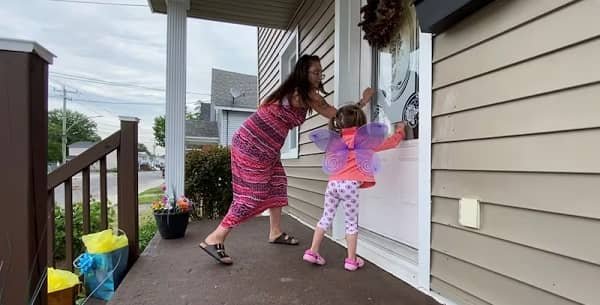
What Is Ding-Dong Ditching?
Ding-dong ditching is a prank in which someone approaches a home, presses the doorbell or knocks on the door and runs away before the resident answers.
A single incident involving no damage, threat or repeated disturbance may be treated as immature behaviour rather than a serious criminal offence. However, police can take the matter more seriously when the prank is repeated, occurs late at night or targets an elderly, disabled or vulnerable resident.
There is no nationwide federal offence specifically called “ding-dong ditching.” Most incidents are handled under state trespass, harassment, disorderly-conduct, criminal-mischief or local noise laws.
Can It Be Criminal Trespassing?
Possibly. Trespass generally involves intentionally entering or remaining on another person’s property without lawful permission.
A front walkway normally exists so visitors, delivery workers and other members of the public can approach the door for legitimate purposes. However, that limited permission may not protect someone who enters solely to harass the resident.
A trespassing case becomes more likely when the person:
- Climbs over a fence or locked gate
- Enters a clearly restricted part of the property
- Ignores a “No Trespassing” sign
- Returns after being told not to come back
- Refuses to leave when confronted
- Hides in the yard or looks through windows
- Enters a garage, enclosed porch or home
For example, Texas criminal-trespass law applies when someone enters or remains on another person’s property without consent after receiving notice that entry is forbidden or being told to leave. Notice can include an owner’s warning, signs, fencing or other legally recognized methods.
Therefore, merely walking up an open path once may not always establish criminal trespass. Returning after a warning or crossing a clear barrier is much more legally risky.
Can Repeated Doorbell Pranks Be Harassment?
Yes. Repeatedly targeting the same resident may support a harassment complaint, even when each individual incident appears minor.
Harassment laws vary substantially among states. They commonly require an intention to harass, annoy, alarm or seriously disturb another person, combined with repeated conduct, threats, following or unwanted communications.
New York, for example, recognizes harassment involving a repeated course of conduct that alarms or seriously annoys another person without a legitimate purpose.
A group that repeatedly rings the same person’s doorbell every night, shouts insults or waits outside the home could therefore face a stronger harassment allegation than someone involved in a single brief prank.
Targeting someone because of a personal dispute, breakup, disability, race, religion or another protected characteristic may also make the situation more serious under applicable harassment or hate-crime laws.
What If It Happens Late at Night?
Late-night ding-dong ditching can violate disorderly-conduct or noise laws.
Texas law, for example, prohibits intentionally or knowingly making unreasonable noise in or near a private residence that the person has no right to occupy.
Vermont separately prohibits unnecessary and offensive nighttime noise that disturbs the public peace between sunset and sunrise.
Cities may have their own rules covering doorbells, shouting, knocking and residential disturbances. Some local ordinances specifically restrict ringing a doorbell or creating another sound to attract a resident’s attention when the conduct violates posted restrictions.
The same prank is therefore more likely to attract police attention at 2:00 a.m. than at 2:00 p.m., particularly when children are sleeping or the resident repeatedly reports the disturbance.
What If the Doorbell or Property Is Damaged?
Damaging the doorbell, door, plants, decorations, windows, vehicle or another part of the property can result in a criminal-mischief or vandalism charge.
Texas criminal-mischief law, for example, covers intentionally or knowingly damaging, destroying or tampering with another person’s property without consent. The charge level can depend on the financial loss and the inconvenience caused.
Possible damage connected with the prank may include:
- Breaking a video doorbell
- Pulling wires from the wall
- Kicking or striking the door
- Damaging a gate or fence
- Knocking over decorations
- Throwing eggs, paint or other substances
- Damaging landscaping while running away
The person responsible may also be required to pay restitution or compensation for repairs.
What If Someone Bangs on the Door or Shouts Threats?
The incident becomes more serious when it includes threatening words, violent gestures or aggressive pounding on the door.
A credible threat to harm a resident can lead to charges separate from the doorbell prank. Depending on state law, the conduct may be classified as harassment, intimidation, assault, stalking or disorderly conduct.
Texas harassment law, for example, covers certain communications made with the intent to harass, alarm, abuse or torment, including threats of bodily injury that are reasonably likely to alarm the recipient.
Pretending to break into the house, attempting to turn the doorknob or displaying a weapon could lead the resident and police to reasonably view the situation as a possible burglary rather than a prank.
Can Minors Get in Trouble?
Yes. A child or teenager can be questioned, warned, cited or referred to the juvenile-justice system when the conduct violates the law.
The response may depend on:
- The child’s age
- Whether the conduct was repeated
- Whether property was damaged
- Whether the resident had previously complained
- Whether threats or abusive language were used
- Whether the child obeyed police instructions
- The child’s previous record
For a first minor incident, officers may speak with the child and parents rather than pursue a formal case. More serious or repeated incidents can result in juvenile proceedings, community service, restitution or probation-like conditions.
Parents may also face financial responsibility for damage caused by their children under applicable state law.
Can the Resident Physically Confront the Prankster?
A homeowner should not use unnecessary or excessive force merely because someone rang the doorbell and ran away.
Property owners generally have rights to order trespassers to leave and to take reasonable steps to protect themselves and their property. However, the amount of force legally permitted depends on whether there is an actual and reasonable threat—not simply annoyance.
A prankster also cannot assume that every resident will recognize the conduct as harmless. Someone who hears violent pounding or sees a person running around the property at night may believe a burglary or attack is occurring.
This makes ding-dong ditching physically dangerous even when the participants never intended to enter the house.
Can Doorbell-Camera Footage Be Given to Police?
Yes. A homeowner may ordinarily preserve footage from a security or video doorbell system and provide it to law enforcement when reporting suspected trespass, harassment or property damage.
The footage may show:
- Faces and clothing
- The time of the incident
- Repeated visits
- Vehicles or licence plates
- Threatening statements
- Damage to the door or property
Residents should save the original recording because some systems automatically delete older footage. They can also write down the dates and times of previous incidents and provide officers with information about witnesses.
What Should a Resident Do?
For a one-time non-threatening prank, a resident may choose to save the video and monitor the situation.
The non-emergency police number may be appropriate when the conduct is repeated, occurs at night, involves trespassing or causes property damage. Call 911 when someone is attempting to enter the home, making threats, carrying a weapon or creating an immediate danger.
Residents should avoid chasing pranksters into streets or confronting a group when doing so could cause an injury or escalate the situation.
Therefore, ding-dong ditching is not always illegal by itself, but it can lead to trespass, harassment, disorderly-conduct or vandalism charges depending on how, where and how often it is done. A repeated nighttime prank after the homeowner has warned the participants to stop is much more likely to violate the law than a single harmless daytime incident.