 By Patricia Jones
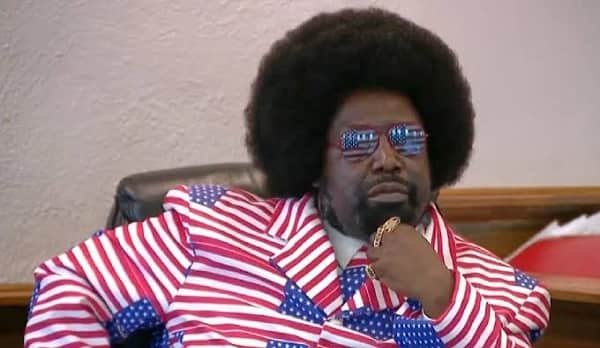
 The Afroman lawsuit ended with a complete jury victory for the rapper after seven Ohio sheriff’s deputies sought nearly $4 million over music videos and social-media posts featuring footage of a raid on his home. On March 18, 2026, an Adams County jury rejected all 13 claims brought against Afroman, whose legal name is Joseph Edgar Foreman.
The deputies had accused Afroman of defamation, invasion of privacy, false-light publicity and causing emotional distress. They also objected to the use of their images in songs, videos, memes and merchandise. Afroman argued that his work was satire and political commentary protected by the First Amendment.
Why Did Police Raid Afroman’s Home?
The dispute began on August 21, 2022, when officers from the Adams County Sheriff’s Office executed a search warrant at Afroman’s home in Ohio. The warrant was connected to an investigation involving suspected drug trafficking and kidnapping.
Afroman was not at home during the search, but his wife and children were reportedly present. His security cameras and his wife’s mobile phone recorded officers entering and searching the property.
The footage showed officers breaking through the front door, examining clothes, searching rooms and looking through personal belongings. One officer was shown looking at a lemon pound cake on the kitchen counter. No criminal charges were ultimately filed against Afroman following the raid.
Afroman later alleged that his property had been damaged and that some seized cash had not been returned. The sheriff’s office disputed allegations of wrongdoing connected with the search.
How Afroman Used the Raid Footage
Instead of responding only through the courts, Afroman turned the security recordings into music and comedy.
He released songs and videos including “Lemon Pound Cake,” “Will You Help Me Repair My Door?” and “Why You Disconnecting My Video Camera.” The videos used real footage of the officers conducting the search while Afroman’s lyrics questioned their actions and mocked different moments from the raid.
“Lemon Pound Cake” became particularly popular because it repeatedly showed an officer appearing interested in the cake on Afroman’s kitchen counter. The video received millions of views online.
Afroman also used images of the officers in memes, promotional posts and merchandise. Some of his material contained personal insults and more serious accusations about individual officers. The deputies argued that the content went beyond fair criticism and exposed them to humiliation, harassment and damage to their reputations.
Why Did the Deputies Sue Afroman?
Seven members of the Adams County Sheriff’s Office filed their lawsuit in March 2023. The case was titled Cooley v. Foreman and was filed in the Adams County Court of Common Pleas under case number CVH20230069.
The plaintiffs included Shawn Cooley, Justin Cooley, Lisa Phillips, Brian Newland, Shawn Grooms, Michael Estep and Randy Walters. Together, they sought approximately $3.9 million in damages.
They claimed Afroman had used their identities for commercial gain and had published false statements that caused emotional suffering, ridicule and professional problems. They also requested orders restricting further use of their images.
Some claims involving the commercial use of the officers’ likenesses were dismissed before trial. Other claims involving defamation, privacy and false-light allegations were allowed to continue.
What Happened During the Trial?
The trial began on March 16, 2026. All seven deputies testified about the effect of Afroman’s videos and statements on their personal and professional lives.
Their lawyer argued that the case was not about preventing criticism of law enforcement. He maintained that Afroman had deliberately published false accusations intended to harm individual officers.
Afroman testified that he had used music as a peaceful response to an event that frightened his family and damaged his property. His lawyers argued that reasonable viewers would understand the songs as exaggerated comedy, satire and criticism rather than literal factual reporting.
The defence also emphasised that police officers are public officials and must tolerate strong public criticism relating to their official conduct.
What Did the Jury Decide?
After a three-day trial and several hours of deliberation, the jury found in favour of Afroman on every remaining claim. The deputies received no damages, and the court did not order Afroman to remove the disputed material.
The verdict meant that the plaintiffs failed to prove the legal requirements of their claims. It did not formally declare that every statement Afroman made was true. Rather, the jury concluded that the officers had not established that he was legally liable for the disputed songs, videos and posts.
Afroman celebrated the outcome as a victory for freedom of speech and the right to criticise government officials.
Did Afroman Receive a Settlement or Payout?
No. Afroman did not receive a multimillion-dollar payment from the verdict. The widely reported $3.9 million figure was the approximate amount the deputies sought from him.
The case resulted in a defence verdict, meaning Afroman successfully avoided liability. It was not a damages award in his favour. A judgment entry later closed the principal case and divided ordinary court costs between the parties.
The Afroman lawsuit became an unusual test of the boundary between personal reputation and artistic criticism of law-enforcement officers. The jury ultimately decided that the deputies had not proved their claims, allowing Afroman’s satirical response to the raid to remain protected from civil liability.