 By Patricia Jones
 No. A Flipper Zero is generally legal to buy, own and carry in the United States. However, using it to access another person’s property, computer, access card, vehicle or wireless system without permission may be illegal.
As of Aug 18, 2026, there is no general U.S. federal law that bans possession of a genuine Flipper Zero simply because of what the device can do. The device has also received an FCC equipment authorization under FCC ID 2A2V6-FZ. That authorization concerns the device’s compliance with applicable technical standards; it does not give the owner permission to interfere with communications or access systems belonging to other people.
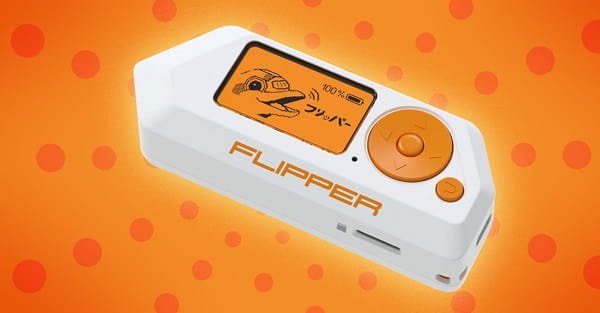
What Is a Flipper Zero?
Flipper Zero is a portable electronic testing device. It includes functions involving:
- NFC cards and tags
- Low-frequency RFID cards
- Sub-GHz radio signals
- Infrared remote controls
- Bluetooth
- iButton electronic keys
- USB-based testing functions
The manufacturer describes it as a multi-tool for access-control systems, hardware testing and radio experimentation. It can read, save and emulate certain supported signals and card types.
These capabilities do not make the product illegal. Many cybersecurity tools have legitimate uses. The legal issue usually depends on what system is tested, whether the user has permission and what the user intends to accomplish.
Legal Uses of a Flipper Zero
A person may generally use a Flipper Zero to:
- Test a device or system they own
- Copy their own compatible garage remote
- Store or emulate their own access credential
- Control their own television or air conditioner
- Study radio signals within applicable legal limits
- Test an employer’s system with written permission
- Conduct security research in a controlled laboratory
- Learn about NFC, RFID, infrared and radio technology
For example, testing your own access card is different from copying an employee’s card without permission. Similarly, experimenting with your own computer is different from connecting the device to someone else’s computer and executing commands.
Written permission is particularly important when testing systems owned by an employer, client, school, hotel or government agency.
When Can Using a Flipper Zero Be Illegal?
1. Accessing a Computer Without Permission
Using Flipper Zero’s USB or Bluetooth functions to send commands to another person’s computer without permission may violate computer-crime laws.
The federal Computer Fraud and Abuse Act covers several forms of knowingly accessing a protected computer without authorization. The Department of Justice explains that federal prosecutors generally focus on cases where a person knew that they lacked authorization to access the computer or a protected part of it.
Examples may include:
- Plugging the device into an unattended workplace computer
- Running scripts that install software or collect information
- Bypassing a login or other technical restriction
- Accessing protected files or accounts
- Interfering with the normal operation of a computer
Calling an activity “security research” does not create permission where none exists.
2. Copying Access Cards or Electronic Keys
Reading an access card is not automatically a crime. However, copying or emulating another person’s credential to enter a restricted building, office, hotel room, parking area or storage facility can lead to charges involving trespassing, burglary, theft, fraud or unauthorized access.
Flipper Zero officially supports certain NFC and low-frequency RFID technologies used in access-control systems. That technical ability does not give the user a legal right to copy or use every card the device can read.
A person should only scan or emulate a card when:
- The card belongs to them
- The system owner has authorised the testing
- The activity is part of an approved security assessment
- No access-control or payment rules are being violated
Copying a badge “just to see whether it works” may still create legal problems when the badge or reader belongs to someone else.
3. Interfering With Radio Communications
Federal law prohibits willful or malicious interference with authorised radio communications. This rule applies regardless of whether a person uses a commercial jammer, modified equipment or another transmitting device.
A standard Flipper Zero is not automatically an illegal signal jammer. However, transmitting repeatedly or improperly in a way that disrupts another device or licensed communication system may violate FCC rules.
Problematic conduct may include:
- Deliberately preventing a wireless device from operating
- Repeatedly transmitting signals to disrupt alarms or sensors
- Interfering with emergency or public-safety communications
- Operating on unauthorised frequencies
- Using modified firmware to bypass regional transmission limits
- Sending signals at prohibited power levels
The device’s official documentation notes that its radio functions operate across particular frequency ranges and that compliance information is tied to regional technical requirements.
4. Intercepting Private Communications
Federal law restricts the intentional interception, disclosure and use of certain wire, oral and electronic communications. A person who modifies or combines a Flipper Zero with other hardware to intercept private communications may therefore face legal consequences.
Simply detecting that a radio signal exists is not necessarily the same as unlawfully intercepting private content. The type of communication, the information obtained and the user’s intention all matter.
5. Using It on Cars
Owning a Flipper Zero near a vehicle is not illegal. Using it to test your own compatible remote may also be lawful.
However, attempting to unlock, enter, start, disable or interfere with another person’s vehicle without permission may constitute attempted theft, vehicle burglary, criminal mischief or another offence.
Many modern car remotes use rolling-code systems, meaning that repeatedly recording and replaying one signal will not normally provide continuing access. Even where a particular attack is technically possible, conducting it without the owner’s permission remains unlawful.
6. Manipulating Payment or Transit Systems
Using a Flipper Zero to copy, alter or emulate a payment card, stored-value card, hotel credential or public-transport pass can result in serious fraud charges.
Federal law covers fraudulent production, possession and use of counterfeit or unauthorized access devices in qualifying circumstances. The term “access device” is broad and can include account numbers and other methods of obtaining money, goods or services.
A person should not attempt to:
- Increase the balance on a transit card
- Copy another person’s payment credential
- Obtain free rides or services
- Change stored card information
- Enter paid facilities without paying
- Sell copied credentials
The fact that no money was ultimately obtained does not necessarily prevent investigation or attempted-offence charges.
Is Modified Flipper Zero Firmware Illegal?
Installing alternative firmware is not automatically illegal. However, modified firmware may enable frequencies, transmission settings or functions restricted by the official software.
The important question is not merely whether the firmware was changed. It is whether the device was then used to:
- Transmit unlawfully
- Cause harmful interference
- Bypass security without permission
- Steal information
- Commit fraud
- Intercept protected communications
- Damage another person’s system
A firmware developer’s disclaimer does not protect a user who violates criminal or communications laws.
Can Police Confiscate a Flipper Zero?
Police generally need a lawful reason to seize property. A Flipper Zero could become evidence when officers reasonably believe it was used or intended for a crime.
Possessing the device along with stolen credentials, copied access-card files, burglary tools, threatening messages or records of unauthorized testing may affect how the situation is investigated. The user’s actions, stored data and surrounding circumstances may be more important than possession of the hardware itself.
Are Flipper Zeros Banned in Other Countries?
Rules vary outside the United States. A country may restrict:
- Importation of radio equipment
- Devices capable of copying access credentials
- Unlicensed radio transmitters
- Encryption or security-testing equipment
- Use of particular frequencies
A Flipper Zero that is lawful in the United States may face import, customs or operating restrictions somewhere else. Travellers should check the rules of their destination before carrying or using one.
Finally
Flipper Zeros are generally not illegal in the United States. They are legitimate testing and learning tools when used on systems you own or have permission to examine.
The device can become part of illegal conduct when it is used to access computers, copy credentials, enter restricted property, interfere with radio communications, manipulate payment systems or control someone else’s equipment without permission.