 By Patricia Jones
 The US government has filed a federal lawsuit against Iowa dog breeder Wuanita Swedlund, alleging that she repeatedly prevented Department of Agriculture officials from inspecting her breeding facility, animals and business records.
The case led to an emergency court order, a government inspection and the seizure of 32 dogs by Iowa law-enforcement authorities. A federal judge has now issued a preliminary injunction requiring Swedlund to continue providing inspectors with access.
The allegations are serious, but the lawsuit has not reached a final judgment. The federal court’s preliminary order does not decide every claim or impose a final penalty.
Why the Federal Government Filed the Lawsuit
The United States filed United States v. Swedlund on June 24, 2026, in the US District Court for the Southern District of Iowa. The case is numbered 3:26-cv-00057.
Swedlund operated a licensed dog-breeding facility in Farmington, Iowa. Because the facility was covered by the federal Animal Welfare Act, inspectors from the USDA’s Animal and Plant Health Inspection Service, known as APHIS, were authorised to examine the animals, housing areas and required records.
The government alleges that APHIS inspectors were denied access seven times during approximately ten months. According to the complaint, these failed inspection attempts prevented the agency from determining whether the dogs were receiving care that complied with federal standards.
The Justice Department requested immediate court intervention because it believed further delays could place animals at risk.
What the Animal Welfare Act Requires
The Animal Welfare Act establishes minimum standards for certain commercial breeders, animal dealers, research facilities and exhibitors.
Licensed breeders must provide adequate housing, sanitation, food, water and veterinary care. They must also maintain required records and allow authorised USDA officials to inspect their facilities during appropriate hours.
Refusing access can itself violate the law because inspectors cannot confirm whether animals are being treated properly when they cannot enter the property.
The federal lawsuit primarily seeks to enforce the government’s inspection authority. It is not a private class action seeking payments for consumers who purchased dogs.
What Earlier Inspections Allegedly Found
The government’s emergency filing stated that Swedlund had been cited for at least 25 Animal Welfare Act violations since receiving her licence in 2023.
According to the allegations, previous inspections documented untreated injuries and medical conditions, deaths of puppies, enclosures containing faeces and dogs without adequate access to drinking water.
The filing also included official warnings, attempted inspection reports and records relating to the temporary suspension of Swedlund’s federal licence.
These documents were submitted to support the government’s request for immediate access. Swedlund retains the right to challenge the allegations as the case proceeds.
Why the Court Issued an Emergency Order
The court initially issued a temporary restraining order requiring Swedlund to allow federal inspectors onto the property.
After receiving access, APHIS officials conducted an inspection with the Iowa Department of Agriculture and Land Stewardship. Inspectors reported dozens of additional alleged violations.
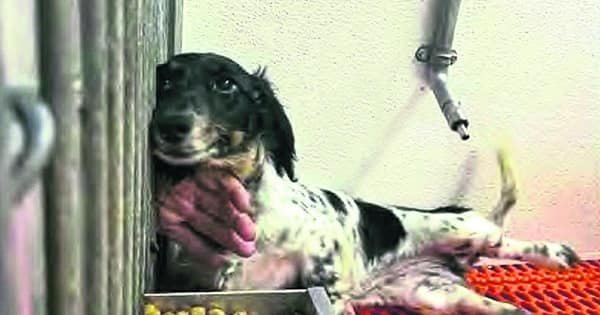
The reported conditions included dogs with visible flea infestations, inadequate veterinary care and unsanitary enclosures used by mothers and puppies. Indoor housing areas allegedly remained above 90 degrees Fahrenheit for at least four hours.
Iowa authorities then obtained a state search warrant. Law-enforcement officers took possession of all 32 dogs found at the facility and placed them in a local animal shelter.
The seizure was carried out under state authority after the inspection. It should therefore be distinguished from the federal lawsuit, which concerns USDA access and compliance with the Animal Welfare Act.
What the Preliminary Injunction Does
In July 2026, the federal court replaced the temporary order with a preliminary injunction. The injunction requires Swedlund to give authorised inspectors continued access to her facility, animals and relevant records while the lawsuit remains pending.
The judge concluded that the government had shown sufficient grounds for temporary relief and recognised that animals at the facility had suffered the type of harm the Animal Welfare Act was intended to prevent.
A preliminary injunction is not a final verdict. It preserves the government’s ability to inspect the operation and prevent possible further harm while the court considers the full case.
It does not automatically establish every alleged violation or decide what permanent penalties, restrictions or other remedies may eventually be imposed.
Has Wuanita Swedlund Been Criminally Convicted?
The publicly reported federal case is a civil enforcement action. It is not a criminal prosecution, and the filing does not mean Swedlund has been convicted of a crime.
The USDA’s APHIS continues to investigate the matter. Further administrative, civil or state proceedings may depend on the evidence and the decisions of the responsible authorities.
There is also no announced settlement, consumer claim form or compensation fund connected with this lawsuit.
What Happens Next?
The federal government will continue seeking enforcement of Swedlund’s obligations under the Animal Welfare Act. The court may later decide whether to issue a permanent injunction or grant other relief requested by the United States.
Swedlund will have an opportunity to answer the complaint, dispute the government’s evidence and present her legal defences.
As of July 30, 2026, the preliminary injunction remains the most important federal development. It allows USDA officials to continue inspecting the facility and prevents Swedlund from denying the access required under her federal licence.
The case demonstrates why inspection access is central to animal-welfare enforcement. Regulators cannot evaluate housing, medical treatment or sanitation when a licensed breeder repeatedly prevents them from entering the property.