 By Bob Paterson
The University of Michigan spent more than $12 million examining misconduct concerns surrounding its football program, yet a former employee at the center of the inquiry says she could not obtain records of her own interview. That dispute led Paige Shiver, former executive assistant to football coach Sherrone Moore, to sue the public university under Michigan’s Freedom of Information Act (FOIA). Her case is not an attempt to reopen Moore’s criminal prosecution. It asks a narrower but significant question: what must a publicly funded university disclose about an investigation conducted by an outside law firm?
The dispute is documented in a July 2026 court complaint. Importantly, the original case was dismissed in September because it was brought in the wrong court; Shiver promptly filed another lawsuit in the Michigan Court of Claims.
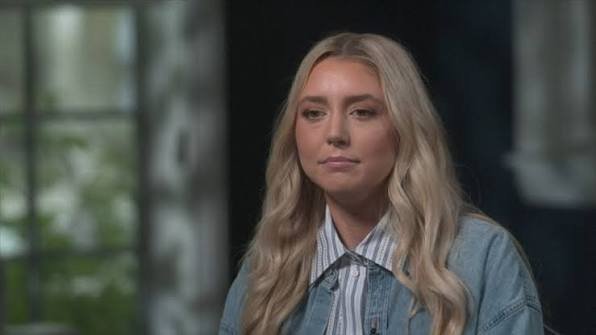
What Led to the Paige Shiver FOIA Lawsuit?
Michigan fired head football coach Sherrone Moore on December 10, 2025, after the university identified an inappropriate relationship with a staff member. That employee was Shiver, who worked in its football department from 2021 through 2025. Jenner & Block, an outside law firm, investigated the circumstances surrounding Moore’s departure and broader concerns about athletic-department oversight.
In July 2026, the university publicly summarized findings about weaknesses in accountability, reporting and supervision. Reporting based on university invoices placed the investigation’s cost above $12 million. Shiver and her lawyers, however, sought the underlying records rather than the university’s account of what investigators found.
On July 7, Shiver and attorney Julie Murphy filed Shiver v. University of Michigan, No. 26-001333-CZ, in Washtenaw County Circuit Court. The complaint alleged that the university repeatedly denied lawful requests for investigative documents.
Which Records Did She Request?
The complaint describes several requests made between February and June 2026. They included:
- Investigation materials: Interview recordings, transcripts, notes and communications involving Moore, Shiver, university employees and people who reported concerns about the relationship.
- Her own interview: A recording or transcript of Shiver’s December 10, 2025 interview conducted through Jenner & Block.
- Outside-counsel messages: Emails received at the reporting address set up for people to raise concerns with Jenner & Block.
- Leadership communications: Emails between Moore and athletic director Warde Manuel containing specified terms connected to the relationship and disciplinary issues.
Several requests identified particular interviews, dates and email accounts. The university nevertheless argued that a renewed request for the broader investigative file was too vague and expansive.
Why Did the University Refuse Disclosure?
The responses attached to the complaint gave different explanations. Michigan cited an ongoing investigation and privacy protections when declining the original investigative-file request. It stated that it had no responsive records for Shiver’s interview and messages sent to Jenner & Block’s reporting address. For certain leadership emails, it invoked privacy and other statutory exemptions. In June, it rejected a renewed investigative-file request as overly broad and vague.
Shiver’s lawyers argued that the university could not avoid FOIA obligations simply because an outside firm possessed potentially responsive material. Their complaint also alleged that the university had not adequately justified withholding the requested records.
Michigan’s FOIA, MCL 15.231 and following, generally permits access to public records but recognizes exemptions, including for certain private information and qualifying investigative records. A court would need to consider whether particular responsive records were public records, whether the university had them within its possession or control, and whether any claimed exemption applied. Hiring outside counsel does not, by itself, resolve all those questions.
Why Was the First Lawsuit Dismissed?
The university moved to dismiss the Washtenaw County case on August 12, arguing that FOIA litigation against a state public body belongs in Michigan’s Court of Claims. The local court dismissed the case on September 9, 2026.
That dismissal did not establish that the university’s record denials were lawful. It concerned the proper court for the lawsuit, not a final determination that every requested document was exempt.
On September 10, Shiver and Murphy filed a new, 11-page FOIA complaint in the Michigan Court of Claims. As of October 14, 2026, the reporting reviewed does not establish a final merits ruling requiring production of the disputed records or rejecting the renewed claim.
What Could the Lawsuit Achieve?
The requested relief includes an order compelling production of records, a finding that any unlawful withholding violated Michigan FOIA, and appropriate legal fees and costs. Michigan law also allows specified financial consequences when a court finds an arbitrary and capricious FOIA violation. No such award has been verified in this case.
The July complaint additionally described alleged sex discrimination, a hostile workplace and improper access to Shiver’s medical information. Those serious allegations provide context, but the complaint’s stated cause of action was FOIA disclosure, not separate Title VII or HIPAA counts. They should not be reported as court-proven misconduct.
Frequently Asked Questions
Q. Did the September dismissal end Paige Shiver’s lawsuit?
No. It ended the original Washtenaw County action. Shiver filed a replacement FOIA case in the Michigan Court of Claims the next day, so the dispute over disclosure continued.
Q. Can a university withhold an interview simply because an outside law firm conducted it?
Not automatically. The legal analysis depends on whether a responsive public record exists within the public body’s possession or control and whether a statutory exemption applies. The identity of the interviewer alone is not the entire test.
Q. Could a judge order partial disclosure with private details removed?
Potentially. Michigan FOIA provides for separating exempt and nonexempt material where practicable. A court might require production of releasable portions rather than choosing only between full disclosure and total withholding.
Q. Has the full Jenner & Block investigation been publicly released?
Michigan published a summary of its investigation in July 2026. That summary is not the same as producing every interview, message or investigative record Shiver requested. The availability and disclosability of particular underlying materials remain distinct questions.