 By Bob Paterson
No, an ordinary person generally cannot legally own an alligator simply as a private household pet in Illinois. Alligators are classified as crocodilians under the Illinois Herptiles-Herps Act and are subject to strict special-use permit requirements. Illinois residents may potentially possess a crocodilian under a Herptile Special Use Permit, but the permit is limited to people using the animal for bona fide educational programs and meeting extensive experience, insurance, housing, inspection, and recordkeeping requirements.
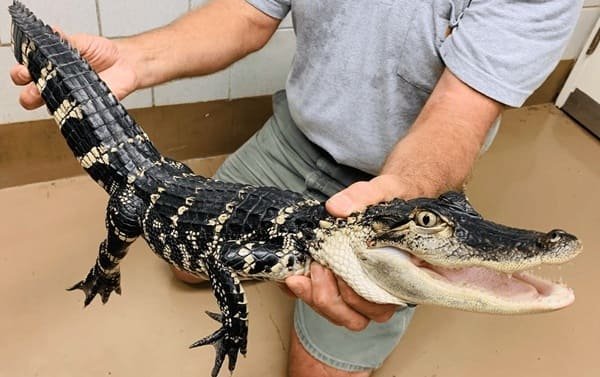
What Does Illinois Law Say About Owning an Alligator?
Alligator possession is primarily regulated by the Illinois Herptiles-Herps Act, 510 ILCS 68.
The Act specifically defines “crocodilians” as species belonging to the Order Crocodilia, including alligators, crocodiles, caimans, and gavials.
Illinois does not treat these animals like ordinary reptiles that may be freely purchased and kept as pets. Crocodilians fall within the state’s special-use herptile regulations.
Under Section 85-5, a person generally may not own, possess, keep, import, transfer, harbor, breed, buy, sell, or otherwise control a special-use herptile unless the activity is authorized under the Act or its regulations.
Can You Get a Permit to Own an Alligator in Illinois?
Illinois does have a Herptile Special Use Permit, but it is not an ordinary exotic-pet permit.
For crocodilians, Illinois law states that these permits may be issued to residents using the animals only for bona fide educational programs. The proposed facilities must also be inspected and approved before the permit is issued.
A permit holder must conduct at least six documented educational programs each calendar year.
Therefore, someone who simply wants an alligator because he or she enjoys exotic pets would not ordinarily satisfy the purpose of this permit.
The educational program must serve a genuine educational function rather than merely being created as a way to obtain permission to keep an alligator.
What Requirements Apply to an Alligator Permit?
Obtaining a Herptile Special Use Permit requires considerably more than filing a basic application.
Current Illinois regulations require applicants to demonstrate appropriate knowledge and experience with special-use herptiles. The Department of Natural Resources must also approve the proposed housing facilities.
Applicants generally must maintain liability insurance or a surety bond of $100,000 for each special-use herptile, up to a maximum of $1 million.
Illinois regulations additionally require permitted animals to be maintained in facilities that satisfy specific safety and welfare standards.
Special-use herptiles must generally be individually identified by a microchip or pit tag, unless the animal is temporarily too small for such identification.
Permit holders must also maintain records concerning acquisition, possession, and disposition of the animal.
Can You Keep an Alligator in Your House With a Permit?
Having a permit does not mean an alligator can simply roam freely around a residence.
Illinois requires special-use herptiles to be maintained in escape-proof enclosures meeting applicable facility and animal-welfare standards.
The Illinois Department of Natural Resources may inspect a proposed facility before approving a permit and may conduct inspections afterward.
The enclosure must be appropriate for the species and designed to protect both the animal and the public.
Because an adult American alligator can become a large and potentially dangerous animal, keeping one lawfully involves substantially greater safety requirements than keeping an ordinary pet reptile.
Can You Buy an Alligator From Another State?
Buying an alligator legally somewhere else does not automatically make possession legal in Illinois.
Illinois law prohibits unauthorized importing, buying, possessing, transferring, and keeping of special-use herptiles. Therefore, an Illinois resident generally needs the required authorization before acquiring the animal.
Current regulations also require proposed additions to a Herptile Special Use Permit to be approved before the additional specimen is acquired.
Interstate transactions involving alligators can also be subject to federal wildlife rules, so legality in the seller’s state is only part of the issue.
Can You Breed or Sell Alligators in Illinois?
Breeding or selling special-use herptiles is also highly regulated.
Illinois regulations state that a person may not propagate or attempt to propagate a special-use herptile without the required Herptile Special Use Permit. Selling or offering one for sale likewise requires appropriate authorization.
A permit holder must keep detailed records concerning animals acquired, possessed, transferred, or otherwise disposed of.
Those records generally must be retained for at least two years after the animal is no longer possessed and must be made available to authorized law-enforcement officers.
Can You Release a Pet Alligator Into the Wild?
Illinois law does not allow someone to release a special-use herptile into the wild simply because the animal has become difficult to keep.
The Herptiles-Herps Act prohibits releasing a special-use herptile unless the Director of the Illinois Department of Natural Resources specifically authorizes the release in writing.
If an alligator escapes, the possessor must immediately contact the appropriate local animal-control authority or law-enforcement agency.
Someone who can no longer care for an alligator should therefore work with IDNR and an appropriate authorized facility rather than abandoning or releasing the animal.
What Are the Penalties for Illegally Owning an Alligator?
Unauthorized possession of an alligator can result in criminal penalties under the Herptiles-Herps Act.
A violation of Article 85, which prohibits unauthorized ownership, possession, importation, transfer, sale, and similar activities involving special-use herptiles, is a Class A misdemeanor for a first offense.
A second or subsequent violation is a Class 4 felony.
More serious consequences may arise if an illegally possessed alligator injures someone. Under Illinois law, an unauthorized special-use herptile that causes great bodily harm or death can expose the possessor to a Class 4 felony in qualifying circumstances.
Frequently Asked Questions
Q1. Can you legally keep an alligator as a pet in Illinois?
Ordinary private pet ownership is generally not permitted. Illinois allows crocodilian possession through a Herptile Special Use Permit only under strict requirements tied to bona fide educational programs.
Q2. Can I get an exotic-pet permit for an alligator?
Illinois does not offer a simple pet permit for alligators. A qualifying resident must obtain a Herptile Special Use Permit, meet safety and experience standards, and conduct at least six documented educational programs each year.
Q3. Can I buy a baby alligator and keep it in Illinois?
Not merely because it is young or small. Baby alligators are still crocodilians under Illinois law, and the same special-use permit requirements apply before lawful acquisition and possession.
Q4. What happens if someone keeps an alligator without a permit?
Unauthorized possession can constitute a Class A misdemeanor for a first offense. A second or subsequent violation of the applicable special-use herptile prohibition can be a Class 4 felony.