 By Patricia Jones
 Marcus Jordan, the son of NBA legend Michael Jordan, was arrested in Florida in February 2025 after police found his Lamborghini SUV stuck on railroad tracks in Maitland, near Orlando. The unusual incident quickly attracted national attention because officers said Jordan showed signs of impairment and initially found a white powder that field-tested positive for cocaine.
The case later changed significantly. Laboratory testing determined that the substance was ketamine, not cocaine. Jordan eventually entered a deferred-prosecution agreement, and by March 2026 reports based on court documents said he had completed the required conditions and the criminal charges were set to be dismissed.
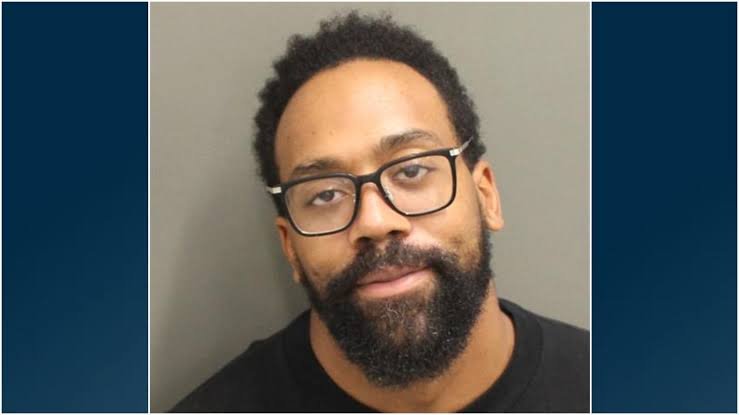
When Was Marcus Jordan Arrested?
Marcus Jordan was arrested during the early morning hours of February 4, 2025, in Maitland, Florida. Police officers found his Lamborghini SUV stuck on railroad tracks shortly before a commuter train was expected to pass.
According to the arrest report, the vehicle’s tires had become buried in dirt and rocks as Jordan apparently tried to free the SUV. Officers also learned that a vehicle matching the Lamborghini had reportedly driven away from an earlier traffic stop in a neighboring jurisdiction.
What Did Police Say Happened?
Officers reported smelling alcohol when they approached Jordan and described his speech as slurred and his eyes as red or bloodshot. Jordan told officers that he had made a wrong turn and was trying to get the vehicle off the tracks.
Police conducted field sobriety testing and later arrested him. Body-camera footage of the encounter attracted widespread attention because Jordan repeatedly identified himself as Michael Jordan’s son while speaking with officers.
Jordan was taken to the Orange County Jail and was released later that day after posting bond.
What Charges Did Marcus Jordan Initially Face?
Initial reports said Jordan faced charges related to driving under the influence, possession of cocaine and resisting an officer without violence. The drug allegation was based on a small bag containing a white substance found during the arrest.
At the scene, the substance reportedly produced a positive field test for cocaine. Jordan pleaded not guilty to the charges and requested jury trials.
Why Was the Cocaine Charge Changed to Ketamine?
The initial cocaine allegation did not remain unchanged. Further testing by the Florida Department of Law Enforcement found that the substance was ketamine rather than cocaine.
The State Attorney’s Office then changed the drug allegation to possession of ketamine. Ketamine is a controlled substance, but the corrected laboratory result was important because early headlines describing Jordan as possessing cocaine were based only on the initial field test.
Did Marcus Jordan Go to Jail?
Jordan was booked into the Orange County Jail following his February 2025 arrest, but he did not remain incarcerated for an extended period. He was released after posting bond.
Therefore, it is accurate to say that Marcus Jordan was arrested and spent time in custody, but he was not serving a jail or prison sentence as a result of the incident.
What Deal Did Marcus Jordan Reach With Prosecutors?
In September 2025, Jordan entered a pretrial intervention or deferred-prosecution agreement in Orange County. Under this type of arrangement, prosecution is placed on hold while a defendant completes specified conditions. Successful completion can result in the charges being dismissed without a criminal conviction in the case.
Reports on Jordan’s agreement said the conditions included 50 hours of community service, random drug testing, an ignition-interlock device on his vehicle and a $1,000 payment or donation to an approved organization. He was also required to write a 250-word apology letter to an arresting officer.
What Is the Latest 2026 Update?
By March 31, 2026, reports citing court documents said Jordan had completed all requirements of the deferred-prosecution agreement. Those reports said he had finished the community-service and testing obligations and submitted the required apology letter.
As a result, the case was set to be dismissed under the agreement. This means the legal outcome was very different from a conviction followed by a jail sentence. The arrangement allowed Jordan to resolve the criminal case by successfully completing the conditions imposed by prosecutors.
Was Marcus Jordan Convicted?
The latest publicly reported case status does not show Jordan receiving a criminal conviction from the February 2025 arrest. He originally pleaded not guilty and later resolved the case through the deferred-prosecution program.
It is therefore misleading to describe the outcome as a DUI conviction or a drug conviction if the charges were dismissed pursuant to the completed agreement.
Why Did the Arrest Receive So Much Attention?
The arrest attracted attention for several reasons. Jordan is the son of one of the most famous basketball players in history, and the circumstances were unusual: a Lamborghini was stranded on active railroad tracks while police investigated suspected impaired driving.
Body-camera footage also circulated widely online. Jordan’s references to his father during the encounter became one of the most discussed parts of the video.
The later correction from cocaine to ketamine also demonstrated why early reports based on preliminary field tests can change after laboratory testing.
What Is Marcus Jordan Doing Now?
Jordan is known as a former University of Central Florida basketball player and the founder of the Trophy Room sneaker business. In 2026, he announced that he was stepping away from day-to-day involvement with Trophy Room as the business moved away from its traditional physical-store format.
For readers searching for the latest Marcus Jordan arrest update, the central facts are straightforward: he was arrested in Florida on February 4, 2025, the drug allegation was later changed from cocaine to ketamine, and he entered a deferred-prosecution program. By March 2026, he had reportedly completed the program’s requirements, putting the charges on course for dismissal rather than a criminal conviction.