 By Patricia Jones
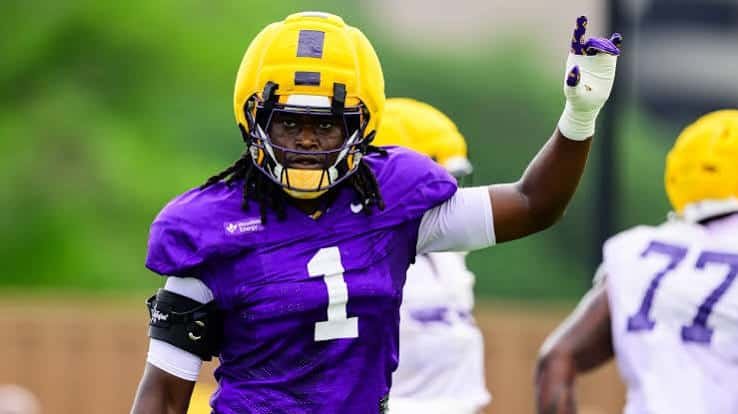
 The Umanmielen Harper transfer lawsuit concerns two former University of Mississippi football players who left Ole Miss for Louisiana State University after signing revenue-sharing agreements for the 2026 season.
Ole Miss filed separate lawsuits against defensive end Princewill Umanmielen and offensive lineman Devin Harper on July 28, 2026, in the Circuit Court of Lafayette County, Mississippi. The university alleges that both players breached their contracts by transferring before completing their agreed commitments and then failing to pay the required termination amounts.
Ole Miss is reportedly seeking $550,000 from Umanmielen and $400,000 from Harper, bringing the combined amount demanded to $950,000. The university is also requesting other available damages, legal fees and court costs.
The allegations have not been proved. Neither player has been ordered to pay Ole Miss, and the cases remain at an early stage.
What Agreements Did the Players Sign?
According to the lawsuits, Umanmielen and Harper signed revenue-sharing agreements with Ole Miss on January 6, 2026. The contracts reportedly covered their participation in the university’s football programme during the 2026 season.
The agreements contained provisions addressing what would happen if either player voluntarily terminated his contract shortly after signing it. Ole Miss claims that a player leaving within the first 90 days would be required to compensate the university by paying a predetermined termination fee.
Such agreements have become more common following major changes in college sports that allow universities to make direct revenue-sharing payments to athletes. Schools may use contracts to define payment schedules, athlete responsibilities, licensing rights and the financial consequences of leaving early.
The lawsuits will require the court to determine whether the termination provisions are enforceable and whether the players’ transfers activated those provisions.
Transfers Followed Lane Kiffin’s Move to LSU
The dispute developed after former Ole Miss head coach Lane Kiffin left the programme for LSU following the 2025 regular season.
Ole Miss continued its postseason run under Pete Golding, who had been promoted from defensive coordinator. Umanmielen and Harper remained with the Rebels during the College Football Playoff before entering the transfer process later in January.
Both players eventually enrolled at LSU, where they reunited with Kiffin. However, LSU is not identified as a defendant in the two reported lawsuits. The legal claims are directed against Umanmielen and Harper individually.
Ole Miss Says Payment Demands Were Ignored
Ole Miss alleges that it contacted both players after they announced their departures and demanded the termination payments required by their agreements.
According to reported details from the complaints, the players did not respond to the university’s payment requests before the 30-day payment period expired.
Ole Miss then reportedly contacted LSU and asked the university to make the payments on behalf of the players. LSU declined, stating that it was not a party to the contracts between Ole Miss and the athletes. LSU has otherwise declined to comment publicly on the litigation.
Ole Miss said it attempted to resolve the disputes privately before turning to the courts. The university maintains that it has a responsibility to honour its financial promises to athletes while also enforcing the commitments athletes make in return.
Why Are Umanmielen and Harper Important Players?
Umanmielen was one of Ole Miss’s leading defensive players during the 2025 season. He appeared in 15 games, recorded 13.5 tackles for loss and led the team with nine sacks.
His transfer represented a significant loss for the Rebels’ defence and an important addition to LSU’s roster.
Harper was a highly rated offensive-line recruit who appeared in six games as a freshman. Although he had not yet become a permanent starter, Ole Miss reportedly regarded him as an important part of its future offensive line.
Their sporting value does not itself decide the lawsuits. The cases will focus primarily on the language of the contracts, the circumstances of the transfers and the enforceability of the termination fees.
Can Colleges Legally Restrict Player Transfers?
Ole Miss is not directly asking the court to prevent Umanmielen or Harper from playing for LSU. Instead, it is seeking financial compensation for their alleged contractual breaches.
College athletes generally have greater freedom to transfer than they did under earlier NCAA rules. However, the ability to enter the transfer portal does not automatically cancel an athlete’s separate financial contract with a university or an outside organisation.
The players may argue that the termination provisions are invalid, excessive or otherwise unenforceable. They could also dispute whether Ole Miss fulfilled all its own contractual duties or whether the agreements properly covered the circumstances surrounding their departures.
Current Status of the Lawsuits
The Umanmielen Harper transfer lawsuit remains unresolved. No court has ruled that either player breached his agreement, and no settlement has been announced.
The cases could help clarify how direct revenue-sharing contracts will operate when college athletes change schools. A ruling favouring Ole Miss could encourage universities to enforce early-termination fees more frequently. A decision favouring the players could limit how strongly schools may use financial agreements to discourage transfers.
For now, Ole Miss is seeking a combined $950,000 from Umanmielen and Harper, while both players remain members of LSU’s football programme.