 By Bob Paterson
No, an ordinary individual cannot legally own a bobcat as a private pet in Illinois. Illinois specifically includes bobcats within its statutory definition of a “dangerous animal.” State law prohibits a person from owning, keeping, harboring, caring for, acting as custodian of, or otherwise possessing a dangerous animal except in certain specifically authorized facilities such as properly maintained zoos, federally licensed exhibits, veterinary hospitals, scientific institutions, and animal refuges.
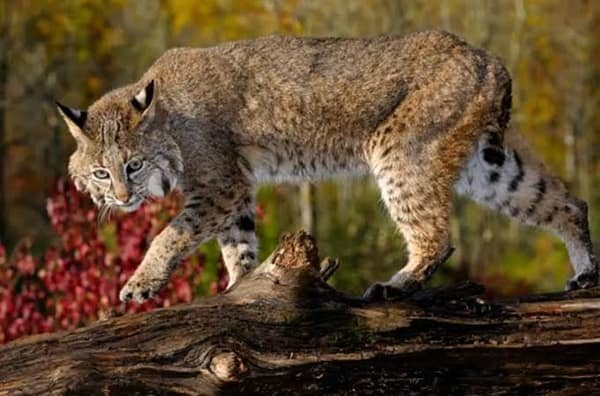
What Does Illinois Law Say About Owning a Bobcat?
The controlling provision is 720 ILCS 5/48-10, Illinois’s dangerous-animal law.
The statute specifically lists the bobcat along with animals such as lions, tigers, leopards, mountain lions, lynx, bears, wolves, coyotes, and several other species.
Illinois defines ownership broadly. The law does not apply only to someone whose name appears on a purchase receipt. A person can be considered an owner if they keep or harbor the animal, have it in their care, or act as its custodian.
Therefore, keeping someone else’s bobcat at your house can create the same legal problem as personally purchasing one.
Can You Get a Permit to Keep a Bobcat as a Pet?
No, Illinois does not provide an ordinary private exotic-pet permit that allows a resident to keep a bobcat at home.
The state’s dangerous-animal law instead identifies specific types of institutions where bobcats and other covered animals may legally be maintained.
These include properly maintained:
- Zoological parks
- Federally licensed exhibits
- Circuses
- Colleges and universities
- Scientific institutions
- Research laboratories
- Veterinary hospitals
- Hound running areas
- Animal refuges
The animal must also be maintained under the conditions required by law, including appropriate escape-proof confinement.
Simply applying for a wildlife or exotic-animal permit does not convert a private residence into one of these exempt facilities.
Does Captive-Bred Status Make a Bobcat Legal?
No, buying a captive-bred bobcat does not create an exception to Illinois’s dangerous-animal prohibition.
The statute specifically states that attempting to domesticate a dangerous animal is not a defense to unlawful possession.
Therefore, a bobcat does not become legally equivalent to a domestic cat because it was born in captivity, hand-raised from infancy, bottle-fed, trained, or purchased from a breeder.
This also means that an out-of-state breeder’s willingness to sell a bobcat does not establish that the buyer may legally possess the animal after bringing it into Illinois.
Can You Catch a Wild Bobcat and Keep It?
No, capturing a wild Illinois bobcat does not provide a legal path to pet ownership.
Bobcats are regulated wildlife under the Illinois Wildlife Code. Illinois has a controlled bobcat hunting and trapping season, but taking a bobcat requires a specific Bobcat Hunting and Trapping Permit in addition to complying with applicable hunting or trapping requirements.
A hunting permit authorizes lawful harvest under the wildlife regulations. It is not permission to capture a live bobcat and keep the animal as a household pet.
Illinois also restricts the areas where bobcats may be legally hunted or trapped.
Is Bobcat Hunting Legal in Illinois?
Yes, regulated bobcat hunting and trapping are permitted in designated portions of Illinois during the established season.
Current regulations require a person to obtain a Bobcat Hunting and Trapping Permit before taking a bobcat. Illinois limits the harvest to one bobcat per permittee per season through combined legal methods of take.
Some parts of Illinois are closed to bobcat hunting and trapping, particularly designated portions of the northern and central part of the state.
A person who lawfully harvests a bobcat must also follow the state’s registration and tagging requirements.
These hunting rules are separate from the dangerous-animal law governing live private ownership.
What if You Find an Injured or Orphaned Bobcat?
Finding an injured or apparently orphaned bobcat does not make it legal to take the animal home and keep it permanently.
Illinois maintains a system of licensed wildlife rehabilitators who are authorized to temporarily care for injured, sick, or orphaned wildlife.
Someone who encounters a bobcat needing assistance should contact the Illinois Department of Natural Resources, a licensed wildlife rehabilitator, or appropriate animal authorities instead of trying to raise the animal personally.
Wildlife rehabilitation authorization is intended for treatment and lawful disposition of wildlife. It does not function as a private pet license.
What Happens if Someone Illegally Owns a Bobcat?
Violation of Illinois’s dangerous-animal statute is a Class C misdemeanor.
Importantly, each day that the violation continues constitutes a separate offense.
Illinois law also provides for confiscation of the animal following a conviction. If officials believe an illegally possessed dangerous animal presents an imminent danger to the public, the animal may be seized and moved immediately to an approved facility.
The person responsible can also be required to pay costs associated with seizure and placement of the animal.
Approved facilities can include zoological parks, humane societies, veterinary hospitals, federally licensed exhibits, and animal refuges.
Can Local Governments Have Additional Bobcat Rules?
Yes, local animal-control and zoning rules can create additional restrictions, although an Illinois city cannot make ordinary private bobcat possession lawful when statewide law prohibits it.
A qualifying zoo, refuge, veterinary hospital, or other exempt institution may still have to comply with local zoning, enclosure, animal-care, and public-safety regulations.
Federal rules can also become relevant for certain exhibitors and animal businesses.
Frequently Asked Questions
Q1. Can you legally keep a bobcat pelt in Illinois?
A legally harvested bobcat pelt may be possessed when the hunting, registration, and tagging requirements have been followed. Illinois requires a successful hunter or trapper to obtain the required bobcat registration and CITES pelt tag. Possessing a properly tagged pelt is legally different from owning a live bobcat.
Q2. Can an Illinois veterinarian temporarily possess a bobcat?
Yes, veterinary hospitals are among the facilities specifically recognized by Illinois law as places where dangerous animals may legally be maintained under appropriate conditions.
Q3. Can an Illinois zoo legally own bobcats?
Yes, a properly maintained zoological park is one of the statutory exceptions to the private-possession prohibition. The facility must still comply with applicable state, federal, and local animal-care requirements.
Q4. Can you move to Illinois with a bobcat that was legally owned in another state?
No, lawful ownership in another state does not create a general exemption from Illinois law. Once the animal is kept or possessed in Illinois, the state’s dangerous-animal restrictions apply unless the possession falls within one of the specifically authorized institutional categories.